



November 9, 2026
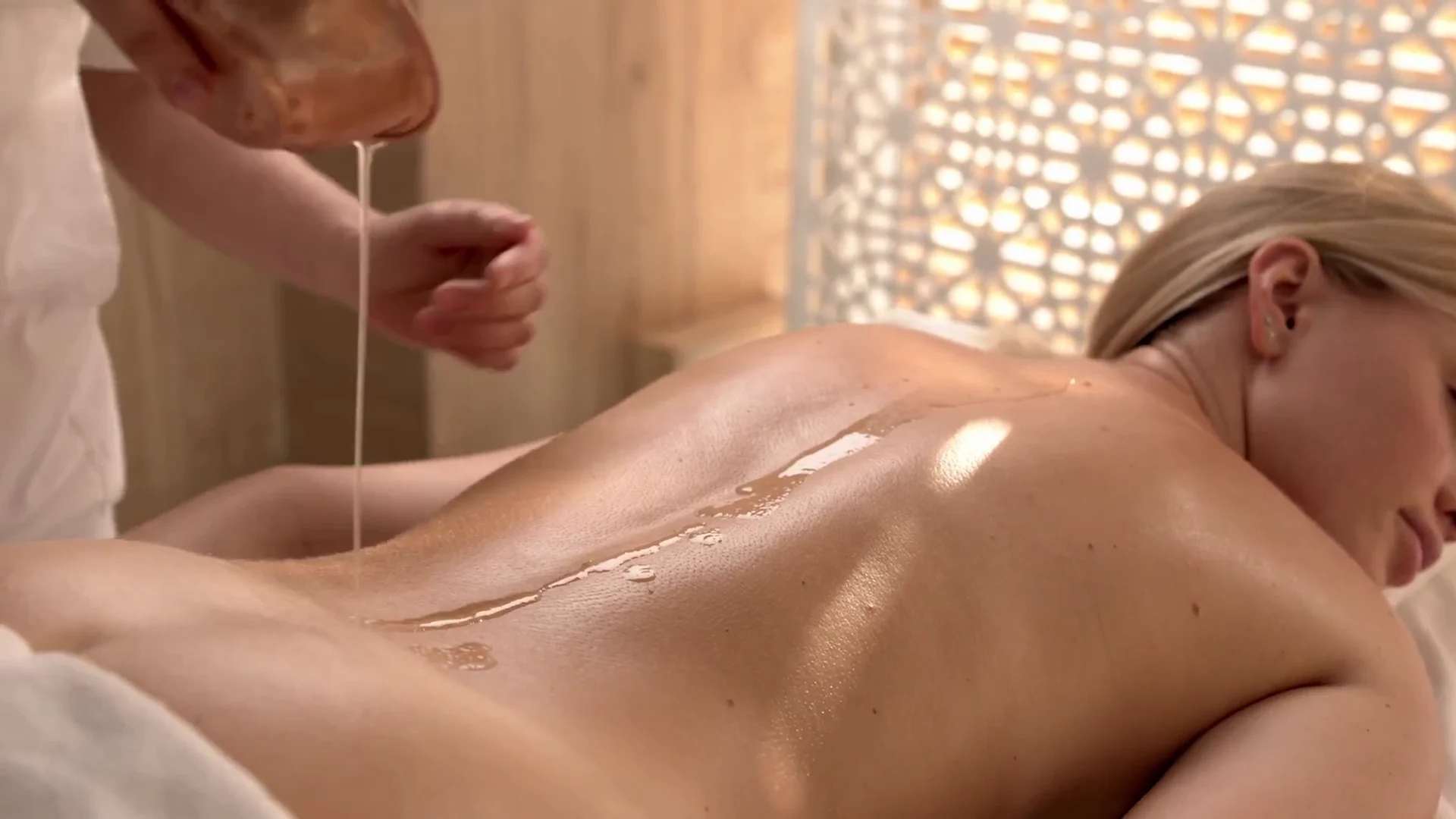
The first thing you’ll notice about Lomi Lomi at Reflexology Plus is that we oil the table. We warm it first, then spread oil across the surface before you lie down. Once you’re settled, your therapist pours warm oil over the exposed skin on the back of your body. If you’re used to a massage where the therapist puts a little oil in their hands and rubs them together, this is the point where you realize you’ve booked something different.
The oil makes it possible for your therapist to use long, sweeping strokes that carry from one area of your body into the next. Those strokes also need more room, so the draping looks a little different from what you may know from a standard full-body massage. If you’ve been curious about trying Lomi Lomi in Shawnee, here’s what that means when you’re the person on the table. What we offer is a Hawaiian-inspired spa massage, and we’ll get to the tradition behind it further down.
Before you get on the table, tell your therapist how much coverage you’re comfortable with and which areas you’d like them to skip. If you normally keep your underwear on or prefer a larger drape, say so. Your therapist can explain how that affects the route and length of the strokes. It’s easier to have that conversation while you’re standing up and fully dressed, especially if this is your first Lomi Lomi.
We warm the massage table, oil the surface and give you privacy to get settled face down. You’ll have coverage from the start. Your therapist pours warm oil over the exposed areas on the back of your body and spreads it by hand. Then they position the drape for the massage, keeping private areas covered while leaving room for the strokes you’ve agreed to.
The first few passes give you a feel for what the oil does. Your therapist can run a forearm from your shoulder down the side of your back toward your hip in one smooth pass. As one stroke ends, the other hand can pick up the next movement. Because a forearm has a broad surface, the pressure feels spread out even when the therapist works firmly. If you prefer lighter pressure, say so. The stroke can still travel just as smoothly.
Compare that to the moment in a typical full-body massage when the therapist finishes your back, moves the sheet and starts working on a leg. You can feel the handoff. In Lomi Lomi, the therapist spends more of the session connecting those movements. You can feel a stroke travel across your back and sense the next one beginning before the first has fully ended. That’s what guests mean when they say the massage feels like it flows.
Draping is how we use a sheet or towel to cover you during a massage. In a standard session, we might uncover your back, cover it again, then uncover one leg. With Lomi Lomi, a stroke can travel along more of your side, hip or leg in one pass. The drape is arranged to give the therapist a longer path across the areas you’ve agreed to have worked. That can mean more skin is exposed at one time than you’re accustomed to, with private areas covered throughout.
And since you’re probably wondering, your butt is a very ordinary part of our workday. If you agree to glute work, your therapist is thinking about the muscles, the pressure and where the drape sits. If you’d rather keep that area covered and skip it, say so. Your therapist can work around it. Either way, it’s a routine conversation for us.
You can also change your mind once you feel what the draping is like. “Can you cover me a little more?” is a complete sentence. So are “Please skip my hips,” “That oil feels too warm,” and “I’d like to stop for a minute.” Say it when it occurs to you. A therapist can pause, reset the drape or take a shorter path with the next stroke. You get to decide what feels comfortable on the table, including after the massage has started.
If you’re unsure what to ask for, be specific about the part that concerns you. “I’m fine with my back and legs, but I’d like my hips covered” gives your therapist something clear to work with. You can also ask them to explain how they’ll move the drape before they move it. A quick heads-up can make a big difference when you’re face down and can’t see what’s happening.
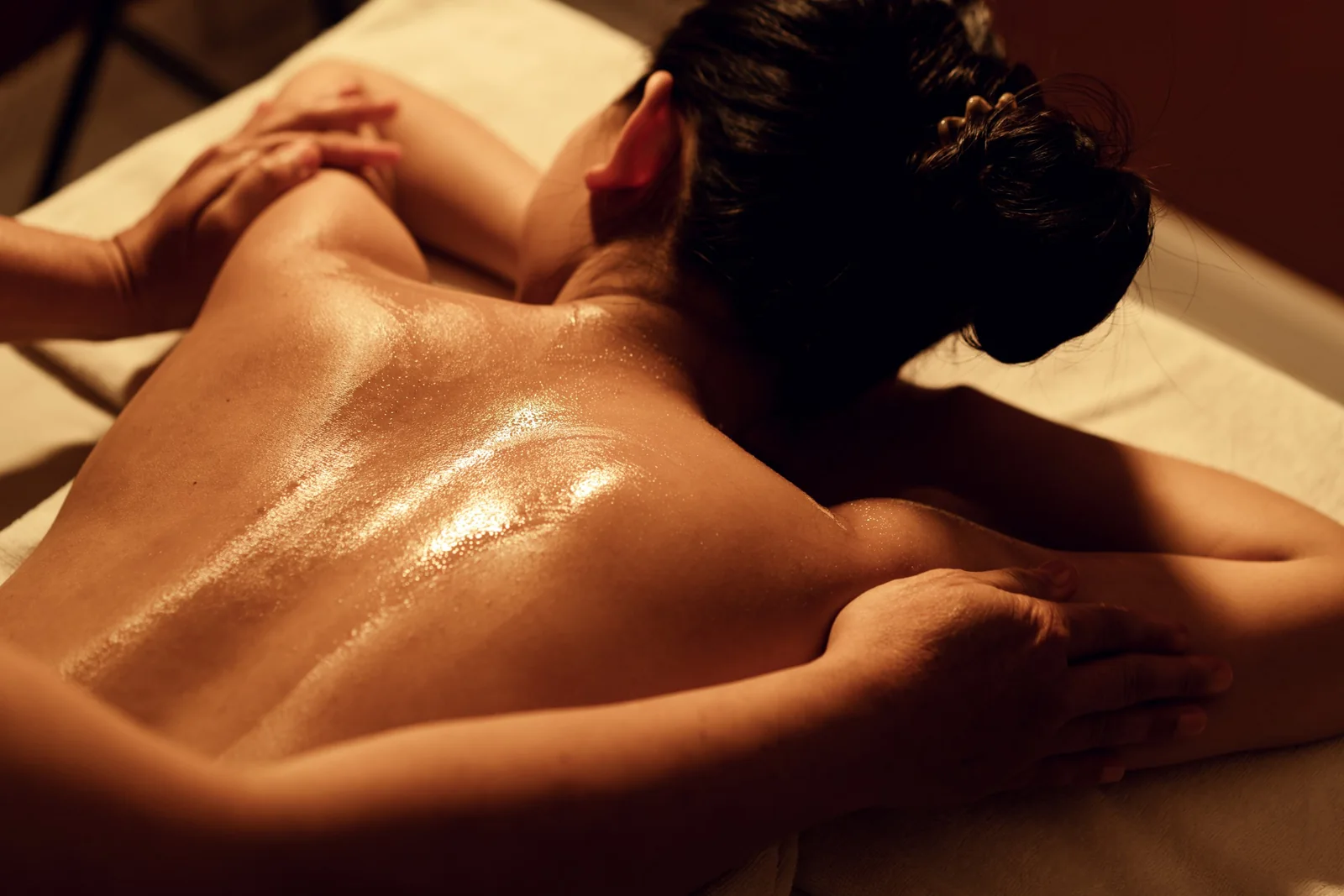
If your usual massage uses a little oil, ours may feel like it uses 10,000 times as much. We’re rounding up. A lot. In practical terms, there’s oil beneath you when you lie down, warm oil poured over exposed skin and enough on the surface for the therapist’s hands and forearms to keep moving without dragging. We use unscented coconut oil, so you get the warmth and glide without a perfume that follows you home.
It feels different from getting a little oil rubbed into your shoulders. You’ll notice the warmth of the first pour and the slickness when you shift on the table. You’ll likely still feel some oil on your skin afterward. If you’re headed straight from the spa to dinner in a silk shirt, give that shirt the night off.
The oil also changes how pressure feels. With enough glide, a firm forearm stroke can travel the length of your back without tugging at the skin. The work can feel substantial while still moving steadily. If you’re used to asking for deep pressure, tell us how much pressure you like and give yourself a few passes to see how it feels when it’s spread over a broader area.
Our ideal Lomi Lomi guest has had a full-body massage before, is comfortable with more skin exposed within professional draping and genuinely likes the feel of massage oil. Maybe you already know that your favorite part of a massage is the slow pass down your back and you’d happily spend more of the appointment there. Or maybe you’ve had plenty of massages that spent ten minutes on the same knot, and this time you want to lie down and enjoy the rhythm of the whole session.
Being comfortable with the setup helps. Being a little shy is fine. What matters is whether you can settle in once you understand how you’ll be covered. If you prefer to keep most of your body covered at once, tell us what you want and ask how we can adapt the session. If a slick table and warm oil are already sounding like too much of a good thing, our Signature Massage will feel more familiar. And if you’ve never had a full-body massage, here’s what a first massage appointment looks like.
It also helps to think about what you want the therapist to spend time doing. If you come in with one spot you want worked for most of the appointment, say that when you book. With Lomi Lomi, the therapist may pass over that spot again and again as part of a longer stroke. The sensation builds over those passes. If what you look forward to is feeling your shoulders, back and legs loosen up as the therapist moves around the table, that’s where this style feels most at home.
Some details change how we set up a Lomi Lomi session. Let us know when you book or at check-in if any of these apply:
None of these is unusual for us to hear. They help your therapist plan pressure, positioning and which areas to work, or decide whether another service fits better that day.
Lomilomi, often written as Lomi Lomi on spa menus, is a Native Hawaiian practice with a long history. In Nā Moʻolelo Lomilomi, published by Bishop Museum Press, editor R. Makana Risser Chai gathers historical accounts dating back to 1779. Those records tie lomilomi to many parts of Hawaiian life, from pregnancy and childbirth to lua, a Hawaiian martial art. What people practiced depended on who taught them and what kind of care was needed.
That range matters when you hear someone talk about “traditional Lomi Lomi.” The term covers more than a single sequence of strokes, and it’s a living practice. Papa Ola Lōkahi recognizes kūpuna councils of Native Hawaiian practitioners who carry traditional healing forward, including lomilomi. In Native Hawaiian healing, lomilomi has spiritual and psychological dimensions as well as physical ones, as a 2023 study from Waimānalo Health Center in the Hawaiʻi Journal of Health & Social Welfare describes.
What we offer at Reflexology Plus is a Hawaiian-inspired spa massage. Our session focuses on the physical experience: broad forearm contact, warm oil and strokes that flow across the body. The warm, oiled table is simply how we give this massage here in Shawnee. The historical accounts describe a much wider range of practices.
At Reflexology Plus in Shawnee, Kansas, Lomi Lomi sessions run from 60 to 120 minutes. Ninety minutes is the length guests pick most often, and it gives the long strokes plenty of time to build. If you’d like two therapists working in rhythm, we also offer Four Hands Lomi Lomi, where 75 minutes is the most popular length. You can compare lengths and prices on our pricing page.
If you’re curious about the draping or the amount of oil, call us at 913-912-9221 and ask exactly what you’re wondering. We talk about this every day. If the warm table, the generous oil and the long forearm strokes sound like your kind of hour, read more about Lomi Lomi or book your Lomi Lomi massage at Reflexology Plus.
Body Massage
Lomi Lomi uses longer, broader movements with extensive hand and forearm work, generous oil, and fewer interruptions between body areas. Instead of feeling like your back, legs, and shoulders are being treated as separate sections, the session is designed to feel like one continuous flow.
Yes. More oil is used than in a typical Swedish or deep tissue massage because the long, uninterrupted movements need significant glide. If you dislike oil-rich massage, Lomi Lomi is probably not the best match.
We use unscented coconut oil for Lomi Lomi. If you're allergic or sensitive to coconut, or you'd prefer a different oil, tell us when you book. With advance notice, we can switch to another oil for your session.
Lomi Lomi requires more access to larger areas of the body than a conventional massage because the therapist uses long strokes across multiple regions. Draping is adapted to allow those movements while maintaining professional coverage and boundaries. Your comfort level still controls the session.
Yes. You undress to your comfort level, and anything you keep on is simply not worked on. Tell your therapist before the session so they can plan the route of the long strokes around it. Private areas stay draped throughout, and you can ask for more coverage at any point.
Probably a little. Lomi Lomi uses far more oil than most massages, and some will still be on your skin when you get dressed. Wear clothes you don't mind getting a bit of oil on, and skip anything delicate like silk if you're heading straight out afterward.

